




Standard Packaging vs. Frustration-Free Packaging

Standard vs frustration-free packaging

There are a few different types of packaging for e-commerce businesses, but the most common are standard packaging and frustration-free packaging (FFP). There are some distinct differences between the two, and in this article, we’ll explore those differences and explain the many benefits frustration-free packaging can offer you in today’s e-commerce landscape.

Read More…

How to Ship Fragile Items

How to ship fragile items

Fragile items need special attention if you’re going to ship them. Whatever courier or shipping service you use, the right packaging can protect your items and increase the chances your delicate products will arrive in great condition.

Read More…

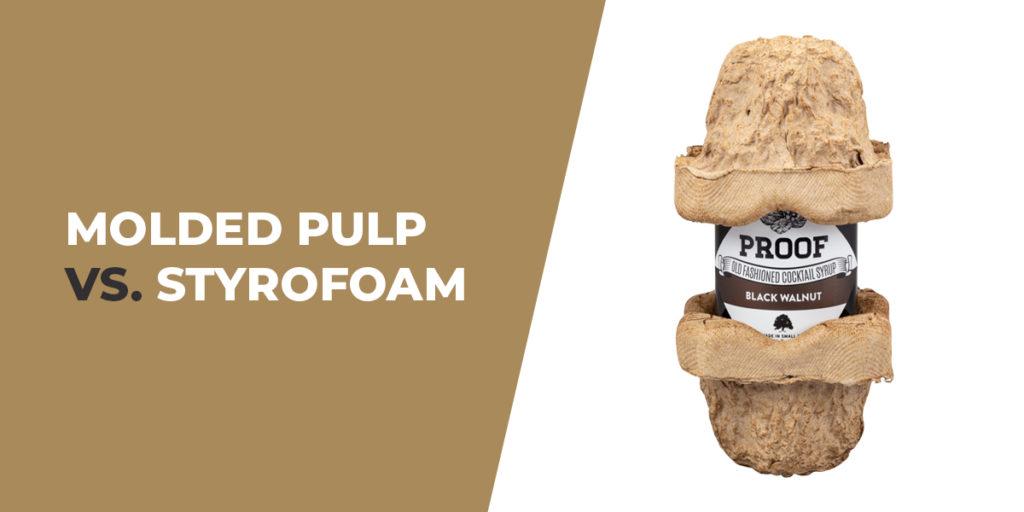
Molded Pulp vs. Styrofoam®

Ever wonder what your coffee cup is made out of? Chances are it is constructed from expanded foam polystyrene (EPS), also referred to as Styrofoam®. This well-known product acts as an effective insulation method and is commonly used as packing peanuts in shipping boxes.

Read More…

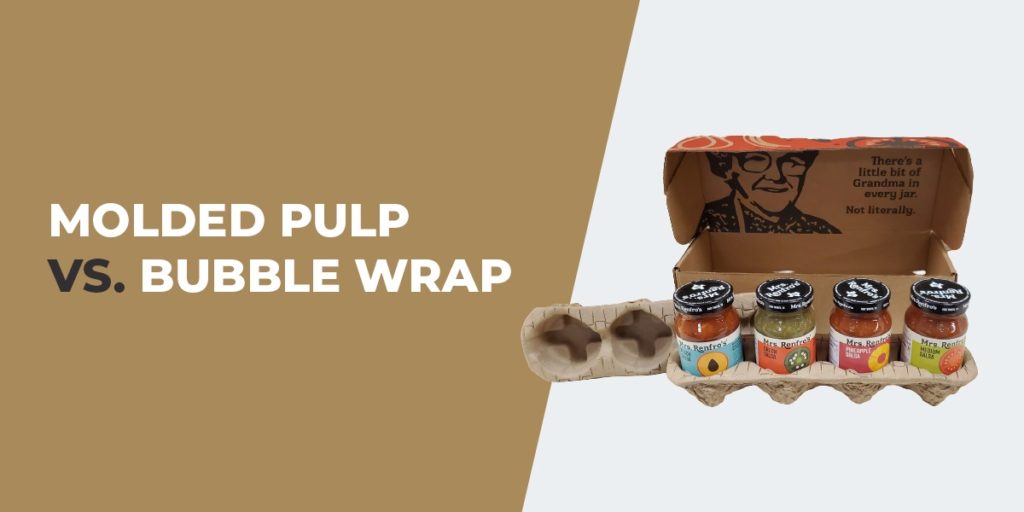
Molded Pulp vs. Bubble Wrap

molded pulp vs bubble wrap

As the world moves toward greener environmental practices, many companies are jumping ship on traditional packaging products and moving toward more sustainable choices.

Bubble wrap has been a popular form of packaging for years, as it is a cheap and efficient option. Unfortunately, this plastic also has severe impacts on the environment.

Read More…

How Is Molded Pulp Packaging Made?

Creating Custom Molded Packaging

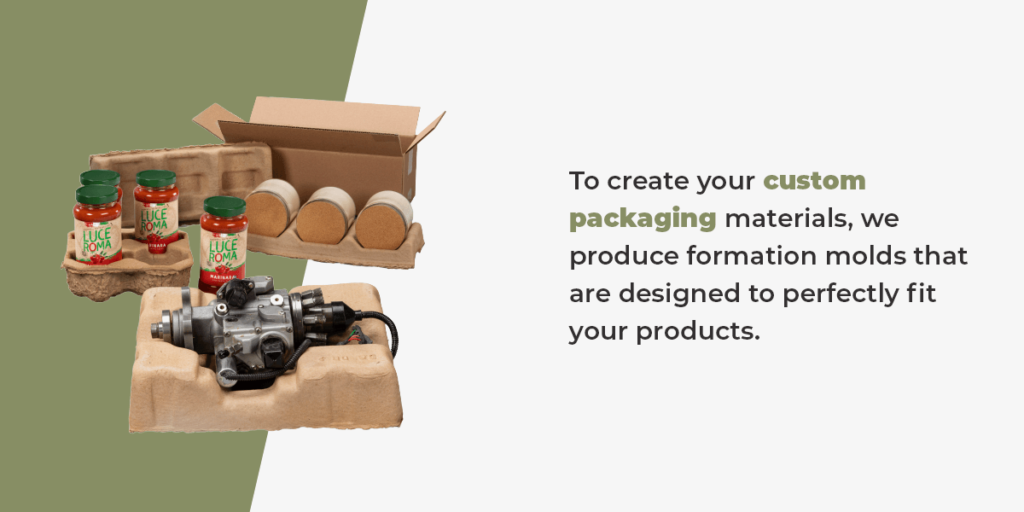
At Great Northern Fiber Interior Packaging, we create sustainable custom molded packaging solutions designed to protect your products during transit. These unique interior packaging materials are made from molded pulp, which is recyclable and 100% biodegradable.

Read on to learn more about how molded pulp is made.

Read More…

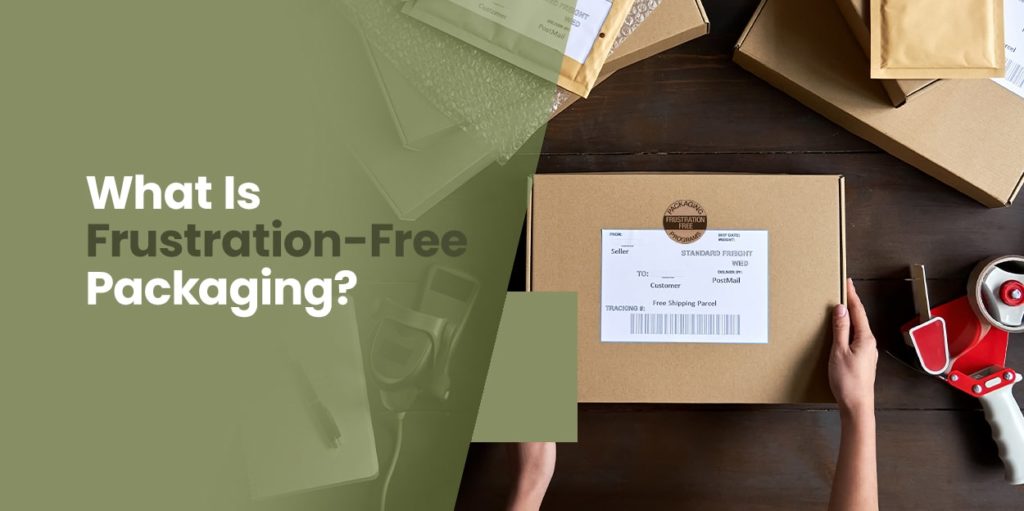
What Is Frustration-Free Packaging?

What Is Frustration-Free Packaging?

Today’s consumers are shopping online more than ever — the convenience of shopping from home and having everything delivered with fast shipping is highly desirable for many shoppers. It’s easy to see that e-commerce is booming and growing exponentially, with billions of packages shipped every year. This increase in online shopping also means increased packaging and waste materials with each purchase made. This means tons of extra cardboard, plastic and other materials, which are often thrown away.

Read More…

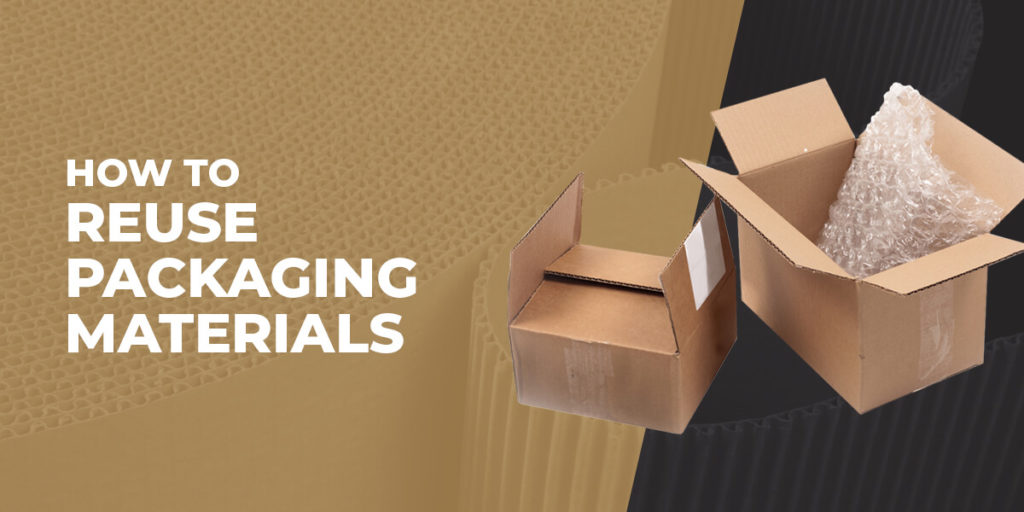
How to Reuse Packaging Materials

How to Reuse Packaging Materials

As online shopping has grown, so has the amount of packaging material used to ship consumer goods and other products. Estimates show roughly 2.14 billion online shoppers rely on digital shopping and receive orders shipped in different types of packaging materials. In recent years, the recycling rate of generated packaging and other shipping materials has reached 53.9% — but there are alternative ways to reuse packaging material you receive from an online order.

Let’s break down how to reuse packaging materials to reduce waste with these practical, fun and creative ways to repurpose extra packaging material.

Read More…

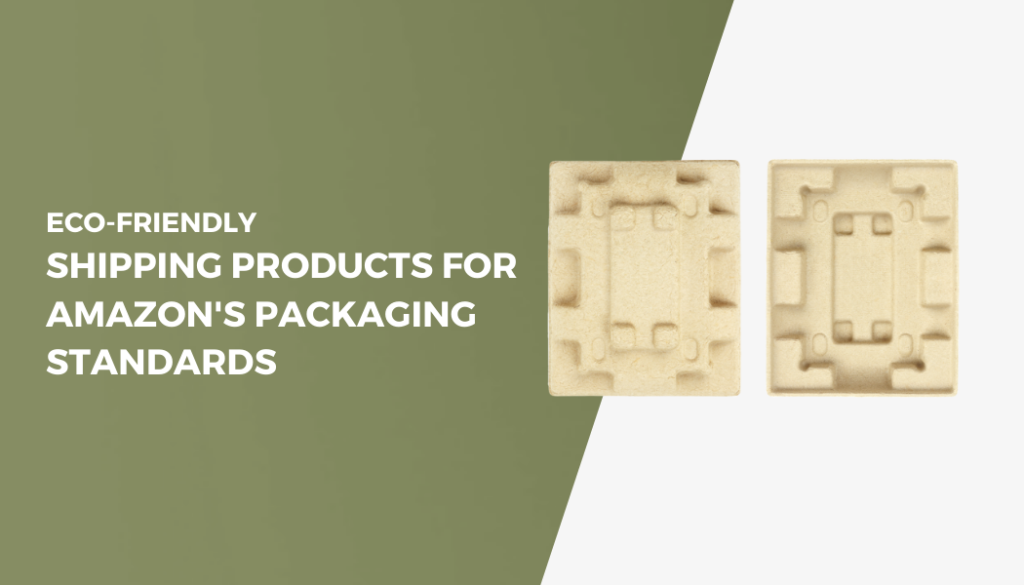
Eco-Friendly Shipping Products for Amazon’s Packaging Standards

eco-friendly packaging for amazon's packaging standards

When shipping Amazon orders, all businesses must follow Amazon’s Packaging Guidelines, known as “Frustration-Free Packaging.” Any product larger than 18” x 14” x 8” or weighing over 20 pounds must meet these requirements. Failure to comply could mean a financial penalty for your business.

Read More…

7 Steps to Prevent Shipping Damage

7 Steps to Prevent Shipping Damage

Shipping out items can be very stressful when it comes to thinking about the potential damage in transit. It’s important to protect your products during shipping, but how? You can prevent product waste and save money with these seven simple precautions.

Read More…