




Automotive production delays can cost manufacturers significant amounts in lost productivity, idle labor and missed delivery commitments. The difference between components arriving pristine and arriving impaired can come down to packaging design.
Discover the proven design principles that eliminate costly automotive packaging failures. From strategic cushioning and bracing techniques to drop-testing protocols that validate real-world protection, these best practices for damage prevention will help ensure your automotive components reach their destination intact and keep your operations running smoothly.
What Causes Automotive Packaging Damage?
Before implementing effective packaging solutions, it’s essential to understand exactly what causes damage to fragile items during shipping.
Automotive components face multiple threats during their journey from manufacturer to destination, including:
- Drops and rough handling: Whether a package falls from a loading dock or gets mishandled during sorting, insufficient cushioning around critical components can result in cracked surface material, broken connections or internal component damage that renders parts unusable. Similarly, transportation can create continuous vibration that can cause components to rub against packaging materials or each other.
- Package stacking and weight loads: This is particularly problematic for automotive packaging containing delicate electronic components or precision-machined parts that require specific pressure tolerances.
- Surface scratches and scuffs on finished parts: Paint damage or scratched surfaces often require complete part replacement rather than repair.
- Electrostatic discharge: Static electricity buildup during handling can damage sensitive electronic components, sensors and control modules, potentially leading to system failures later.
Essential Design Principles for Maximum Protection
Effective automotive packaging design centers on three core principles that work together to prevent damage during transit. These principles form the foundation of any successful protective packaging system.
1. Impact Protection
Strategic impact protection goes beyond simply adding padding around components. Effective systems distribute impact forces, absorb shock energy and maintain protective barriers even under extreme handling conditions.
Proper material density for shock absorption requires matching cushioning properties to specific protection requirements. For example, a heavy brake rotor requires dense, supportive cushioning that prevents movement, while delicate electronic sensors need softer materials that absorb impact without transmitting shock to sensitive internal components.
Multilayer protection for high-value components combines different cushioning materials to create comprehensive protection systems. For example, combining a rigid outer shell with softer inner cushioning can provide both structural support and shock absorption, ensuring expensive components like ECU units or precision sensors arrive undamaged.
2. Movement Prevention
Component movement within packaging is often responsible for automotive packaging failures. Structural support eliminates this movement while accommodating the irregular shapes and varied sizes common in automotive parts.
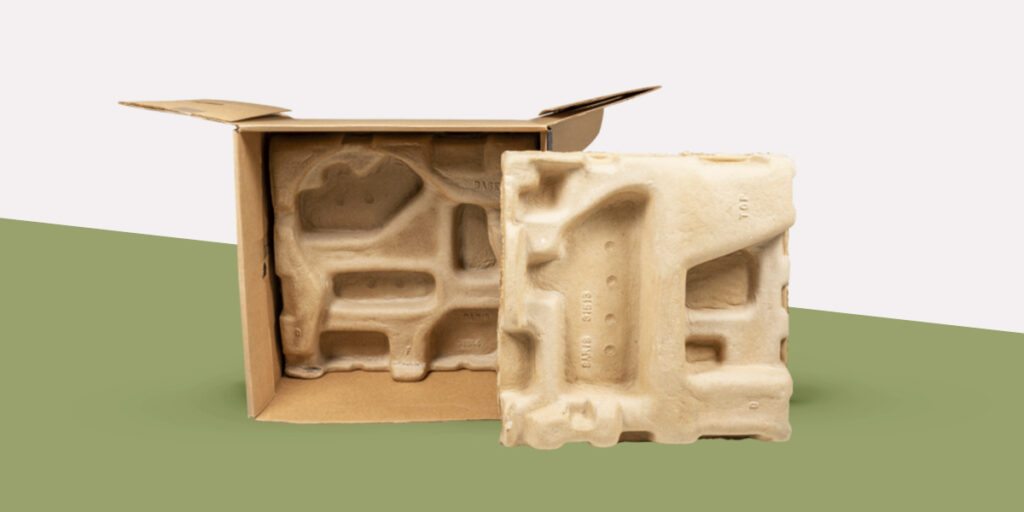
Immobilization strategies for irregularly shaped parts use custom-designed supports that cradle components in their exact contours. Rather than relying on generic padding that leaves gaps where parts can shift, tailored bracing systems hold components securely in place regardless of transportation conditions.
Void elimination to prevent shifting ensures components cannot move within their protective packaging. Any empty space within a package becomes a potential damage zone if components can shift into it. Effective bracing design eliminates these voids while maintaining adequate protection around all surfaces.
3. Vulnerable Area Shielding
The most damage-prone areas of automotive components require targeted protection strategies that address specific risk factors.
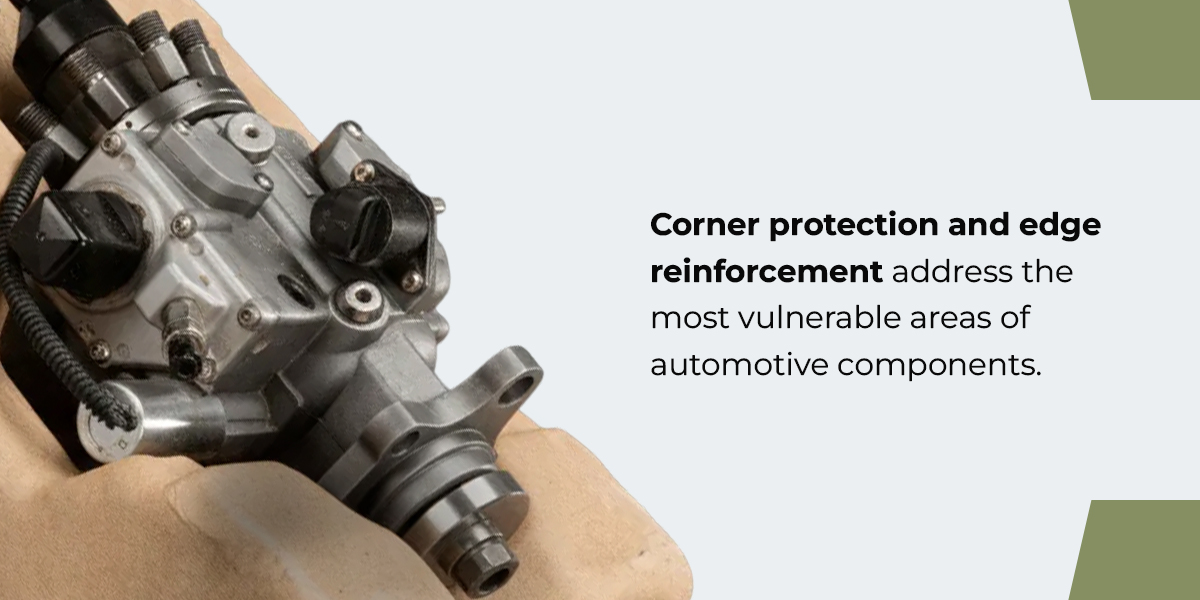
Corner protection and edge reinforcement address the most vulnerable areas of automotive components. Sharp corners, protruding brackets and delicate edges receive targeted protection that prevents damage from contact with packaging materials or adjacent components during handling.
4. Drop Testing for Real-World Validation
Drop testing validates packaging performance under realistic handling conditions and identifies weaknesses before they lead to costly failures. The following are key aspects of drop testing:
- Standardized validation and weakness identification: ISTA 6 testing protocols and standards provide internationally recognized benchmarks for packaging performance. These protocols simulate real-world shipping conditions, including the drops, impacts and compression forces packages experience during typical handling. According to ISTA test procedures, proper testing evaluates packaging performance across multiple failure scenarios to ensure protection.
- Comprehensive real-world simulation: Multiple drop orientations and heights replicate the various ways packages can be mishandled during shipping. Testing must evaluate how packaging performs when dropped from heights that simulate actual handling conditions onto corners, edges, and flat surfaces. This comprehensive approach identifies potential failure modes that might not be apparent from single-position testing.
- Industry compliance and performance assurance: Real-world simulation of handling conditions goes beyond basic drop testing to include vibration, compression and environmental factors that affect packaging performance. Effective testing protocols expose packaging systems to the cumulative stresses they’ll experience during actual transportation, ensuring protection remains intact throughout the entire shipping process.
Industry compliance and documentation requirements ensure packaging meets automotive industry standards. ISTA 6 compliance has become essential for automotive applications, while Amazon Packaging Support requirements address the growing e-commerce automotive aftermarket. Proper testing includes vibration analysis, compression load evaluation and material handling stress testing that simulates automated sorting and handling systems.
Benefits of Molded Fiber Solutions for Automotive Applications
When your automotive packaging requires superior protection with environmental responsibility, molded fiber solutions offer distinct advantages over traditional packaging materials. These solutions combine custom design capabilities with sustainable materials to address the automotive industry’s evolving packaging needs.
The benefits of choosing molded fiber packaging for your automobile parts include:
- Precise fitting to eliminate movement and damage: Tailored packaging cradles components in their exact contours, providing targeted protection that eliminates movement while absorbing impact forces more effectively than generic foam or inflatable alternatives.
- Superior structural integrity under compression: Unlike foam materials that compress permanently under load, molded fiber maintains its protective structure throughout transportation, ensuring consistent protection even under heavy stacking loads.
- ISTA 6 testing validation process: Molded fiber packages can be validated to meet or exceed industry standards for protection performance upon testing request. Testing validates packaging effectiveness under real-world shipping conditions and providing documentation that supports quality certifications and customer requirements.
- Optimized material usage and cost efficiency: Custom solutions use protective materials only where needed, reducing overall packaging costs while improving protection effectiveness. This targeted approach eliminates waste while ensuring adequate protection for all component areas.
- Labor savings with drop-and-go designs: Well-designed custom packaging eliminates complex assembly procedures, reducing labor costs and packaging errors. Components fit securely into their protective packaging without additional padding, strapping or assembly steps.
- 100% recyclable and biodegradable benefits: Molded fiber packaging breaks down naturally and integrates seamlessly with existing recycling systems, supporting automotive manufacturers’ sustainability initiatives without compromising protection performance.
Partner With Fiber Interior Packaging for Custom Automotive Protection
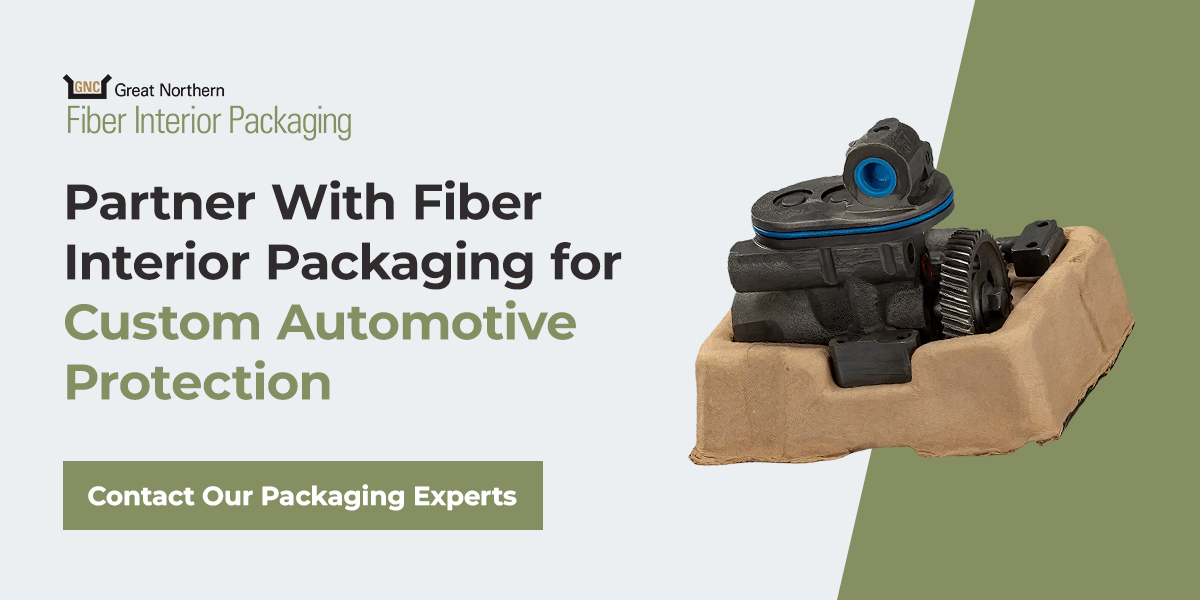
When automotive parts damage causes delays and replacements, you need packaging solutions that deliver results. Great Northern Fiber Interior Packaging specializes in custom-molded fiber packaging designed specifically for the unique challenges of automotive components.
Our ISTA 6-certified testing lab, when requested, validates packing designs against real-world shipping conditions, including vibration, compression and drop testing. Unlike generic foam or airbags, our molded fiber packaging creates a perfect fit for your specific parts, providing superior cushioning and bracing while eliminating costly damage during transit.
Contact our packaging experts to discuss your specific protection needs.