




For automotive shippers, damaged parts are a primary profit killer. Receiving a call about a cracked bumper, warped brake rotor or shattered glass means dealing with replacement costs, reverse logistics and a loss of customer confidence. The old method of simply putting a part in a box is no longer enough. The industry is shifting to engineered protection that meets strict performance and sustainability goals.
This is the ultimate guide to automotive parts packaging for original equipment manufacturers (OEMs), aftermarket suppliers and direct-to-consumer sellers who need to protect high-value inventory. We’ll compare the top packing materials, explain how to master critical shipping standards, and highlight how to reduce automotive manufacturing and distribution costs with modern solutions.
Why Automotive Parts Require Specialized Protection
Shipping automotive parts presents a unique challenge that standard packaging often fails to meet. Many components are both heavy and fragile. A precision-engineered part, like a polished chrome grille or an electric control unit, requires robust cushioning to prevent damage from shock and vibration. At the same time, its cosmetic surfaces must be shielded from scratches and abrasions.
The issue is compounded by irregular geometries. Parts like headlamps, exhaust manifolds and side mirrors don’t fit neatly into a standard square box.
Without custom-fit interior packaging to hold them securely, these items can easily shift during transit, leading to impact damage. Relying on generic packaging creates significant financial risk. The potential for in-transit damage can directly impact your bottom line.
Common Automotive Packaging Materials
Choosing the right material is the foundation of effective automotive parts packaging. While many options exist, they offer different levels of protection, sustainability and cost-efficiency.
1. Expanded Polystyrene (EPS/Styrofoam)
For decades, foam has been a go-to material for cushioning. It’s lightweight and can be molded to fit specific products. However, it comes with high costs and significant environmental drawbacks. Styrofoam is difficult for consumers to recycle, and it can take up to 30% of the space in landfills.
2. Corrugated Inserts
Die-cut corrugated cardboard is a recyclable option that can be formed into various shapes. While sustainable, it can be labor-intensive, often requiring complex folding and assembly on the packaging line. For extremely heavy items, it may lack the rigid strength needed for complete immobilization.
3. Bubble Wrap and Loose Fill
These legacy materials are common, but they can also be inefficient for professional automotive shipping. Wrapping parts in Bubble Wrap is a slow, manual process. Peanuts and other loose-fill materials allow heavy parts to migrate to the edges of the box, increasing the risk of damage.
4. Molded Pulp and Fiber
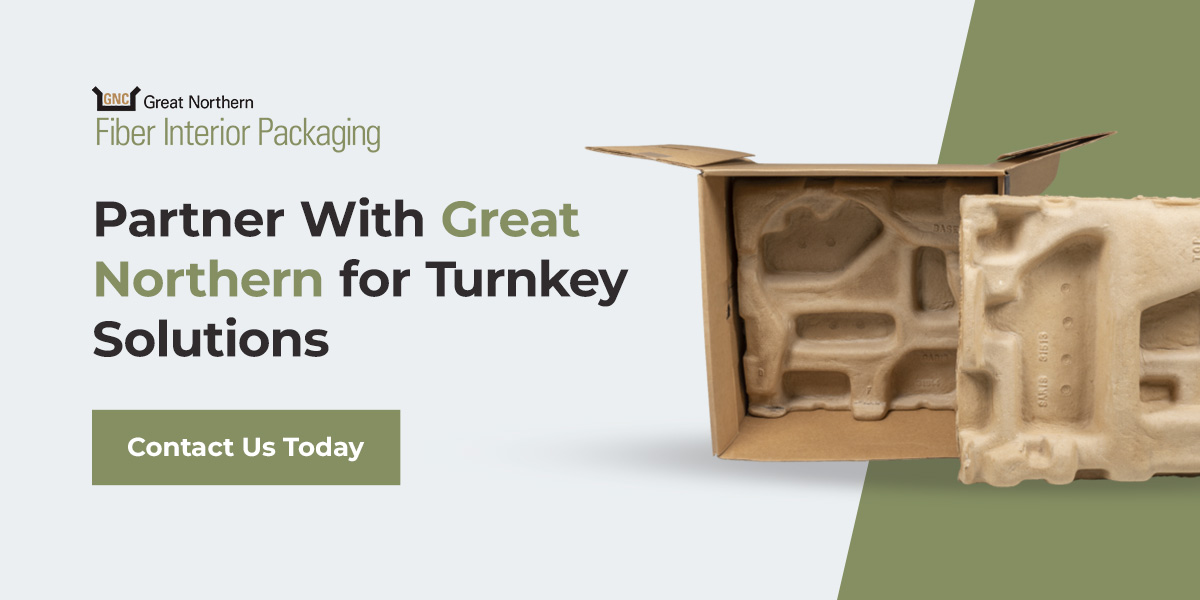
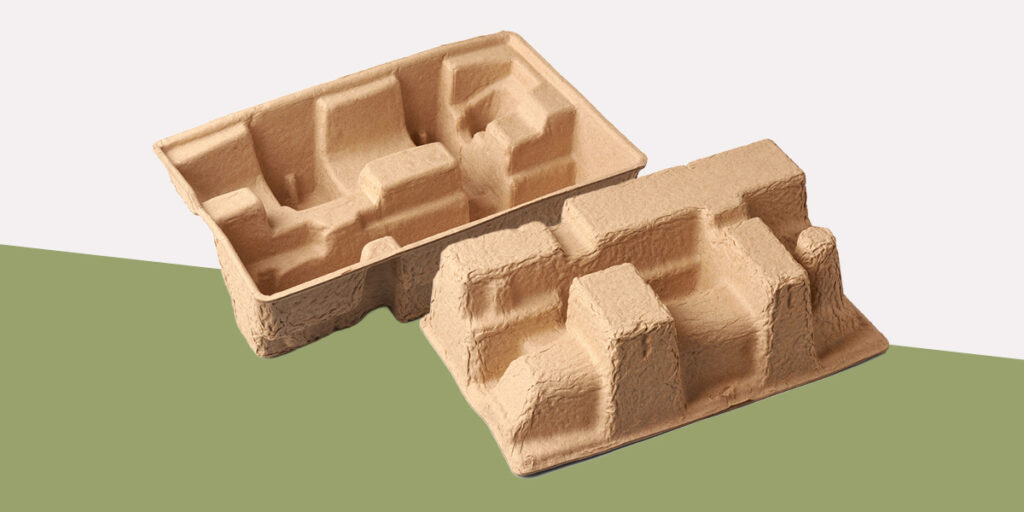
Molded fiber is emerging as the modern standard for a range of product shapes and sizes, including automotive applications. Made from recycled paper and water, molded fiber is formed into strong, rigid trays and end caps that are custom-engineered for a specific part. It delivers the protective strength of foam while being 100% curbside-recyclable, offering the best of both worlds.
Critical Design Considerations for Damage Prevention
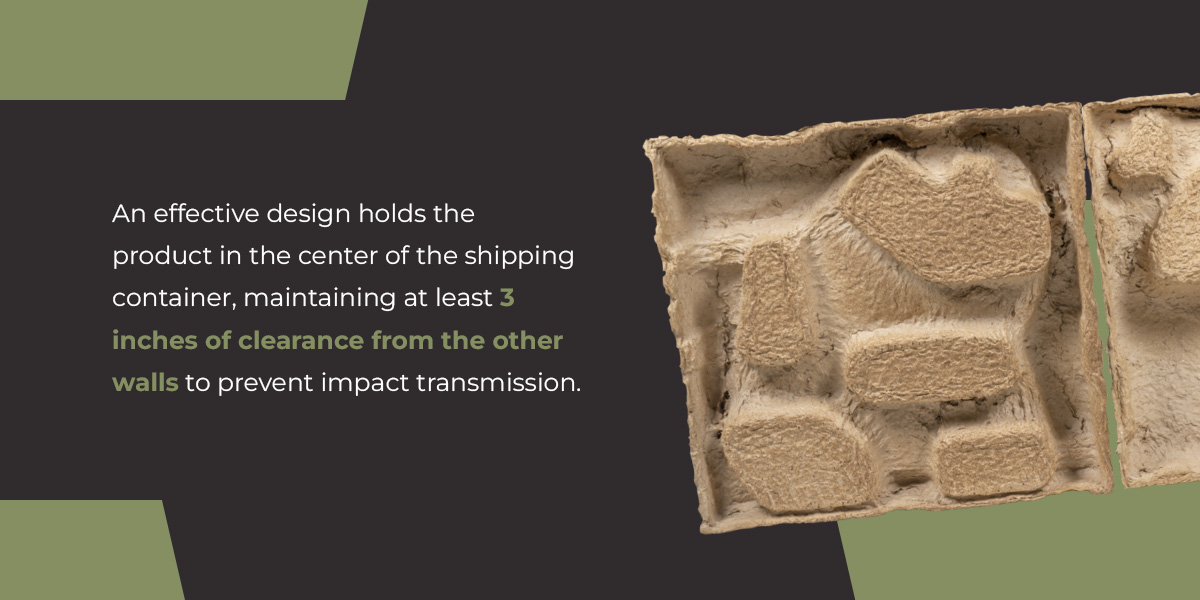
A successful packaging strategy goes beyond material selection. The design of the interior protection is what ensures a part arrives safely. The primary goal is blocking and bracing, which means completely immobilizing the part. An effective design holds the product in the center of the shipping container, maintaining at least 3 inches of clearance from the other walls to prevent impact transmission.
Surface protection is another key design factor. For Class-A surfaces like painted body panels or coated wheels, the packaging material must be nonabrasive to prevent scuffs and scratches. According to a recent report, over 40% of truckloads move partially empty. Packaging that is designed to nest and stack compactly helps maximize utilization, reducing wasted space in warehouses and trailers.
Navigating Testing Standards and Regulations
To ensure packaging can withstand the rigors of modern shipping, the industry relies on standardized testing protocols. The most important standard for e-commerce sellers is ISTA 6-Amazon.com Ships in Own Container (SIOC). This certification process involves a series of rigorous drop, vibration and compression tests. Packaging that passes this test is certified to ship through Amazon’s network without requiring an additional Amazon overbox, saving both money and material.
Meeting these standards is increasingly tied to sustainability. A 2024 report from PwC found that consumers are willing to pay a 9.7% premium for sustainably produced goods. Further research shows that 64% of consumers are concerned about sustainability and may be more likely to choose products based on their environmental impact. Using recyclable, ISTA-certified packaging meets both regulatory demands and growing consumer expectations.
The Hidden Impact on Labor and Unboxing
Your packaging choices directly affect operational efficiency and brand perception. On the pack-out line, every second counts. Manually wrapping a part or assembling a complex corrugated insert is slow and costly. In contrast, a drop-and-go molded fiber insert allows an employee to place the part in a custom-fit tray in a fraction of the time, significantly reducing labor costs.
This efficiency extends to the customer. A positive unboxing experience reinforces the quality of your product. Consumers want to open a box, retrieve their part and easily break down the packaging for recycling.
No one wants to deal with a mess of foam peanuts or a pile of nonrecyclable plastic. Clean, simple and eco-friendly packaging signals a professional operation and respects the customer’s time and values.
Why Molded Fiber Is Winning the Automotive Sector
Molded fiber has become a leading choice in the automotive industry because it solves the core challenges of protection, sustainability and efficiency. It can be custom-molded to the micron-level precision of complex automotive components and accessories, ensuring a secure fit that foam and corrugated inserts cannot match. This eliminates movement and provides superior shock absorption.
Additionally, molded fiber is a key part of the circular economy. It’s created using recycled materials and can be easily recycled again after use. The nesting design of molded fiber parts also saves immense space in the warehouse, creating a more efficient supply chain from start to finish. For businesses looking for a smarter way to ship, molded fiber is the clear winner.
Partner With Great Northern for Turnkey Solutions
Choosing the right packaging is a critical business decision, but you don’t have to make it alone. As a leader in engineered packaging, Great Northern Fiber Interior Packaging provides custom molded pulp solutions that protect your products, streamline your operations and meet your sustainability goals.
If you’re ready to replace your costly and wasteful foam or plastic packaging setups, it’s time to switch to a smarter solution. Contact our team today for a comprehensive packaging assessment and discover the benefits of engineered fiber.