




With consumers and retailers demanding greener solutions, businesses face the challenge of reducing environmental impact without compromising product safety during shipping.
The solution is molded pulp packaging, which is eco-friendly and remarkably effective. Made from recycled materials and fully recyclable itself, it offers the performance of foam or bubble wrap while aligning with today’s sustainability standards. This guide explains what molded pulp packaging is, where it comes from and why it’s becoming the preferred choice for sustainability-minded businesses.
Molded Pulp Explained
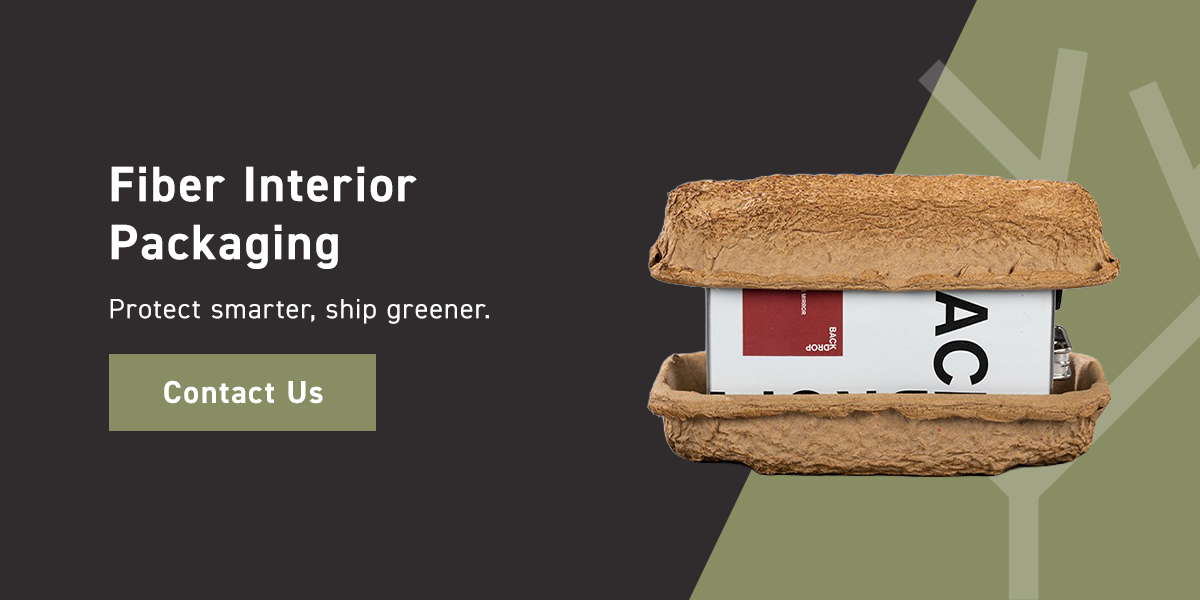
Molded pulp, or molded fiber, is a material made from recycled and natural fibrous materials, such as corrugated boxes and newsprint. While you might associate it with egg cartons, today’s molded pulp is a sophisticated packaging solution used across industries from electronics to automotive parts.
Manufacturers create it by breaking down recycled paper, then forming the resulting pulp into custom shapes that cradle and protect products during shipping.
The Molded Pulp Manufacturing Process
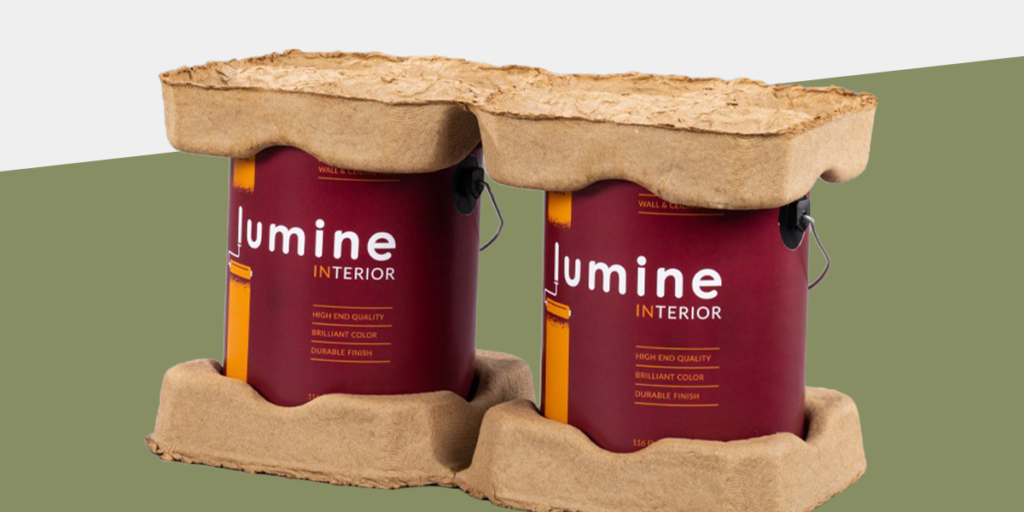
Molded packaging inserts precisely match your product’s shape for tailored protection.
The manufacturing process transforms recycled materials into custom-fit protective packaging through these four steps.
- Pulping: Mixing recycled fibers from corrugated and newsprint with water creates a slurry with the consistency of a thick milkshake.
- Forming: Custom-designed molds shape the pulp slurry to create the exact three-dimensional form needed to cradle your product.
- Drying: Oven-drying the formed pulp removes moisture and creates a rigid, durable protective insert.
- Finishing: Manufacturers trim each piece to final specifications and inspect it to ensure it meets quality standards.
The Sustainability Benefits of Molded Pulp
Sustainability drives many businesses to explore molded pulp packaging. The material addresses environmental concerns at every stage of its life cycle, from raw materials to end-of-life disposal.
An Eco-Friendly and Circular Material
Molded pulp packaging gives postconsumer waste a new life, diverting trash from landfills by using recycled corrugated and newsprint as raw materials.
When the packaging reaches the end of its useful life, it becomes feedstock for the next cycle. Molded pulp is 100% curbside recyclable and biodegradable, meaning it can reenter the recycling stream or safely break down in a compost environment. This circular approach aligns with many businesses’ waste reduction goals.
Paper and paperboard products have some of the highest recycling rates among packaging materials, demonstrating that molded pulp is part of a well-established, functioning recycling infrastructure.
Molded Pulp vs. Plastic and Foam
How sustainable is molded pulp compared to plastic alternatives? The data reveals a clear advantage, making molded pulp an increasingly attractive option for businesses committed to measurable sustainability improvements.
- Life cycle impact: Fiber-based packaging is often preferable to plastics from an environmental standpoint, contrary to some public perception.
- Recycling infrastructure: Paper-based materials benefit from established municipal recycling programs, while many plastic films and foams lack accessible recycling options for consumers.
- Biodegradability: Molded pulp breaks down naturally if it escapes the waste stream, reducing long-term environmental harm, unlike Styrofoam or plastic bubble wrap.
The Protective Performance and Versatility of Molded Pulp
Choosing sustainable packaging shouldn’t mean accepting inferior product protection. Molded pulp delivers robust protective performance that rivals and often exceeds traditional foam and plastic alternatives, all while offering remarkable versatility across product types and industries.
Common Molded Pulp Applications
Molded pulp’s adaptability makes it suitable for protecting a wide range of products. The custom molding process can create virtually any shape to match your product’s exact contours.
- Electronics: Smartphones, tablets, laptops and accessories benefit from custom-fitted pulp inserts that prevent movement and absorb shock.
- Automotive parts: Delicate components like sensors, mirrors and trim pieces ship safely in molded pulp cradles.
- Consumer goods: Candles, glassware, cosmetics and small appliances arrive undamaged thanks to tailored protection.
- Industrial products: Secure heavy and irregularly shaped products with custom-molded pulp roll cradles designed to specific dimensions.
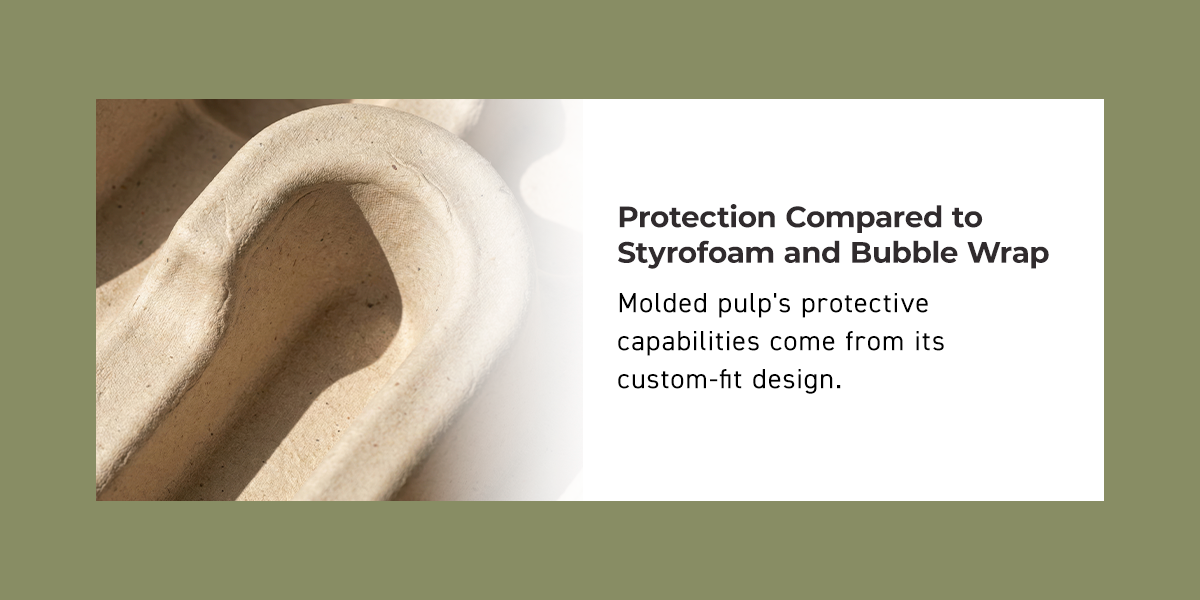
Protection Compared to Styrofoam and Bubble Wrap
Molded pulp’s protective capabilities come from its custom-fit design. Unlike bubble wrap, which provides general cushioning but allows products to shift inside boxes, molded pulp creates a precise cradle that holds products securely in place, eliminating the movement that causes damage during shipping. The custom-fitting advantage also makes molded pulp easier to use and more efficient than bubble wrap.
Molded pulp offers superior shock absorption without the brittleness of Styrofoam. EPS foam can crack or crumble under pressure, potentially leaving products vulnerable. Molded pulp maintains its structural integrity and absorbs impacts effectively.
Frequently Asked Questions
Molded pulp is designed for robust protective performance, often for single-trip shipping. Its durability for repeated use depends on the specific design and caliper; heavier items can be securely supported through custom-engineered cradles and reinforced structures. For very heavy or reusable applications, the design would be optimized for those specific requirements.
Molded pulp packaging is often significantly lighter than comparable foam or plastic inserts designed for similar protective performance. This weight reduction can lead to tangible savings in shipping costs, particularly for high-volume or internationally shipped products, as it directly impacts freight charges and dimensional weight calculations.
Yes, molded pulp can adhere to various standards depending on its application and material composition. Beyond protective performance testing like ISTA 6, it can meet certain compostability certifications and often complies with general packaging regulations regarding recycled content and material safety.
Important Considerations for Making the Switch
Transitioning to molded pulp packaging requires you to understand its capabilities and practical considerations. These insights help you make an informed decision that aligns with your operational needs and budget.
Molded pulp offers impressive design flexibility, allowing you to create packaging tailored to your products. Working with an experienced molded pulp manufacturer ensures your design balances aesthetics, functionality and manufacturing feasibility.
- Complex three-dimensional shapes: You can use the molding process to produce intricate forms with curves, pockets and recesses that match your product's geometry.
- Branding opportunities: Incorporate debossed logos and text directly into the mold design to create a branded unboxing experience.
- Multiple finish options: Depending on your aesthetic and functional requirements, choose from transfer molded, thermoformed or the economical thick-wall molded pulp.
- Design limitations: You can't achieve sharp 90-degree angles because rounded corners and draft angles are necessary for mold release — but these rounded edges enhance protective performance.
Will molded pulp packaging fit your budget? The answer depends on how you calculate the total cost. Per-unit costs for molded pulp can sometimes exceed those of foam alternatives, but focusing solely on material expenses overlooks the big picture.
The most substantial savings come from labor reduction. Molded pulp inserts offer a "drop-and-go" packing experience — workers place the product in the preformed insert without assembly, taping or arranging loose fill. This streamlined process significantly reduces packing time and associated labor costs.
Consumers increasingly prefer sustainable packaging. Approximately 43% of shoppers say they are willing to pay more for eco-friendly packaged products. That means enhanced brand value, customer loyalty and competitive differentiation can offset modest cost increases in markets where environmental commitment matters.
Partner With Great Northern Fiber Interior Packaging
Does your current protective packaging hurt your brand’s sustainability goals? When you’re ready to switch, Fiber Interior Packaging specializes in custom-molded pulp solutions designed for your products. With decades of expertise, we’ll work with you to develop packaging that delivers superior protection, reduces labor costs and meets your environmental commitments.
Our in-house design and ISTA 6 testing capabilities produce results tailored to your exact specifications and proven to protect your products during shipping. Whether you’re replacing foam inserts, bubble wrap or other protective materials, we’ll help you transition seamlessly. Contact us today to learn more.