




Foam and plastic packaging have quickly become outdated as environmental concerns, stricter government regulations and market demand have changed consumer expectations. But how can organizations that ship directly to their customers meet these standards while protecting products?
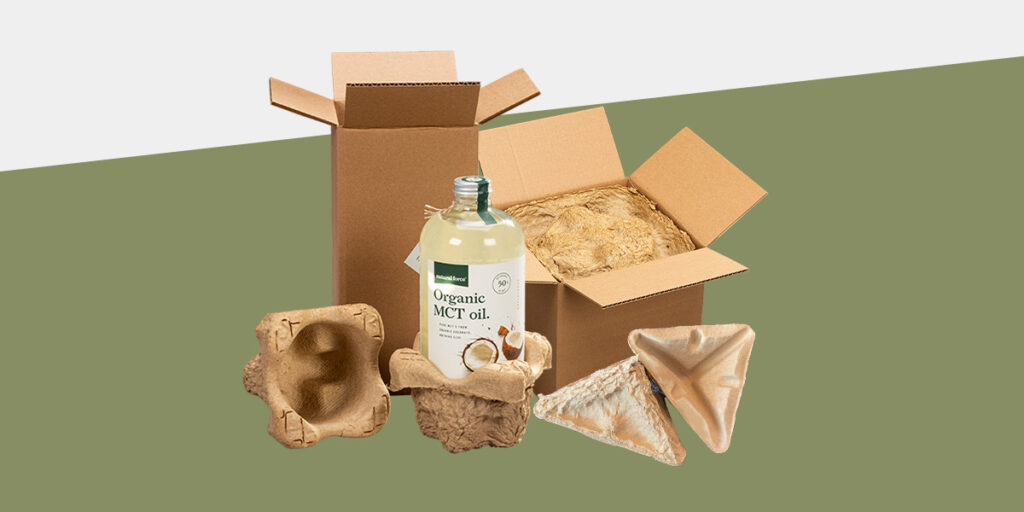
Molded fiber offers a sustainable, versatile, and effective way to meet modern shipping challenges. This material, made from 100% recycled content, not only satisfies consumer expectations for eco-friendly practices and complies with Extended Producer Responsibility (EPR) laws but also delivers certified protection for products in transit. For companies shipping directly to consumers, transitioning to molded fiber is a strategic move that addresses environmental responsibilities, regulatory risks, and market pressures in a single, efficient solution.
This guide explains why molded fiber is replacing foam and other nonrecyclable packaging.
The Shift From Foam Packaging
Packaging solutions must adapt to changing environmental and consumer demands to maintain relevance and compliance.
The Environmental Reality
Plastic and foam packaging are significant sources of waste in the supply chain. With over 75% of plastic waste ending up in landfills, the search for sustainable alternatives to EPS foam and other petroleum-based protective packaging materials is on.
Foam manufacturing consumes fossil fuels, and the material stays in the environment for centuries. Businesses that ship products must find alternatives.
What Are Extended Producer Responsibility Laws?
Laws have shifted the financial burden of waste management from municipalities to producers. This change has increased the financial risk for many companies that use hard-to-recycle materials such as foam and plastic packaging.
As of September 2026, several states have already passed such legislation.
- California: Established comprehensive producer responsibility requirements.
- Oregon: Implemented statewide EPR mandates for packaging materials.
- Colorado: Enacted EPR laws targeting packaging waste.
- Maine: Passed EPR legislation covering packaging producers.
- Minnesota: Adopted producer responsibility frameworks.
- Maryland: Introduced EPR requirements for packaging materials.
- Washington: Implemented EPR laws for packaging waste management.
While the specifics vary by state, these laws often include eco-modulated fees that make non-recyclable packaging more expensive to use.
The Market Demand for Sustainable Brands
Regulatory pressure has aligned with market pressure. Consumers actively choose brands that use sustainable packaging. They’re also willing to pay for products that reflect their values, which directly impacts those who must ship packaging solutions that meet these expectations.
Molded Fiber as a Sustainable Packaging Solution
Molded fiber provides a solution to the regulatory, environmental and market pressures facing foam packaging. This versatile material provides the protection products need during shipping while meeting the sustainability standards consumers and regulators demand.
What Is Molded Fiber, and How Is It Made?
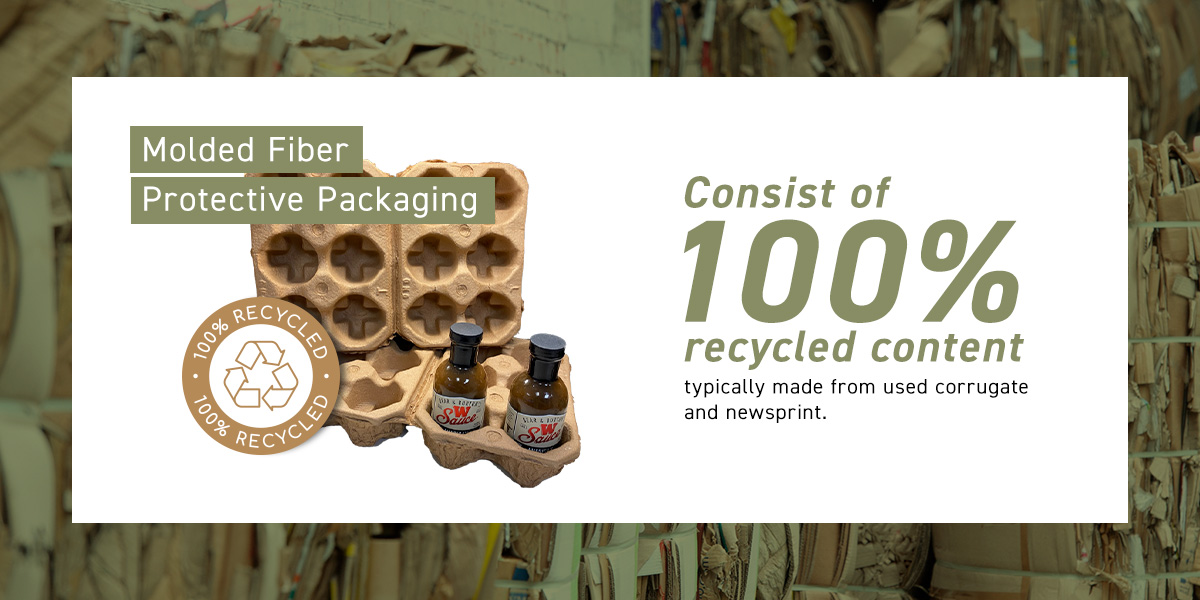
Molded fiber protective packaging consists of 100% recycled content, typically made from used corrugate and newsprint. Manufacturers use the molded fiber design process to transform these recycled materials into custom-fitted protective inserts that cradle products during transit.
Suspending the fibers in water, forming them into specific shapes using custom molds and letting them dry creates rigid protective packaging that’s fully recyclable and biodegradable.
The Different Types of Modern Molded Fiber
Modern molded fiber offers several production methods and types, each suited to different protection requirements.
- Thick-wall molded fiber: Provides heavy-duty protection for appliances and industrial products. The thicker walls absorb impact and distribute stress across the package.
- Transfer molded fiber: Offers smooth surfaces and precise tolerances for electronics and consumer goods. This method creates finished edges suitable for visible packaging applications.
- Thermoformed fiber: Delivers enhanced strength and moisture resistance for demanding applications. The additional forming process increases density and durability.
- Processed molded fiber: Adds coatings or treatments for specialized performance needs. These treatments can enhance water resistance or provide specific functional properties.
This versatility means molded fiber is an eco-packaging solution that can replace foam across virtually any application.
The Strategic Business Case for Molded Fiber Over Foam Packaging
Sustainable packaging offers more than compliance and planet-friendly alternatives to foam. It delivers measurable business benefits that decision-makers can embrace beyond the environmental considerations.
Performance validation is critical when transitioning to protective packaging materials. International Safe Transit Association testing ensures package integrity throughout the shipping process. ISTA 6 protocols simulate the complete Amazon fulfillment and shipping cycle, including warehouse handling, sorting and final delivery.
Testing at a certified in-house ISTA 6 Test Lab ensures packaging can withstand the rigors of the entire shipping process. This in-house capability means faster iterations, quicker time-to-market and confidence that your packaging will protect products.
Decision-makers gain several benefits from sustainable options when evaluating fiber packaging vs. plastic foam costs. These benefits extend beyond the direct material price. Foam inserts and corrugated partitions require time-consuming manual assembly at the packing station. Molded fiber's custom-fit design eliminates the need for assembly.
Packers drop the product into the preformed insert, place the top piece and close the box, reducing labor time and per-package costs while improving output. Molded fiber's nestable design can also save warehouse space compared to bulky foam alternatives.
Large retailers enforce strict packaging requirements to maintain partnerships, and suppliers often adapt without realizing how much these standards affect their operations. For example, Amazon's Packaging Support and Supplier Network offers guidance and certification to ensure products meet its frustration‑free packaging criteria. Molded fiber packaging aligns naturally with Amazon's expectations and supports the sustainability mandates many major retailers now prioritize.
Per- and polyfluoroalkyl substances are synthetic chemicals used for greaseproofing in traditional paper and packaging products. These chemicals pose serious health risks and are subject to intense regulatory scrutiny. Multiple states are implementing PFAS bans, and federal restrictions are expanding.
Studies on PFAS in packaging also document the higher cost of PFAS-free alternative coatings. Partnering with a supplier who has already mastered PFAS-free production eliminates this emerging risk from your supply chain.
The Framework for a Seamless Transition
Switch to molded fiber by following this three-step framework.
- Auditing your packaging vulnerabilities: Assess your current packaging for risks related to damage rates, labor time and regulatory compliance. Identify the products most vulnerable to shipping damage or regulatory pressure. Document current labor costs at packing stations to establish baseline efficiency metrics.
- Working with packaging experts: This phase includes designing and testing a custom solution to ensure the new packaging meets or exceeds your current protection standards.
- Scaling up production: Once design and testing confirm performance, manufacturing and supply chain partners manage the transition to full production. An experienced partner ensures this scaling happens smoothly, delivering reliable packaging for consumer goods without disrupting your operations.
Partner With Great Northern Fiber Interior Packaging
Transitioning to sustainable packaging is complex. It demands expertise in regulatory compliance, performance testing and custom design. Let Fiber Interior Packaging ease your business through this transition. Our in-house ISTA 6 test lab can validate packaging performance during shipping on request.
Our team guides you through design, testing and compliance. Whether you’re addressing EPR regulations or meeting consumer demand, we can help. Fiber Interior Packaging offers proven sustainable alternatives to EPS foam. To learn more, contact a packaging specialist to discuss your transition.